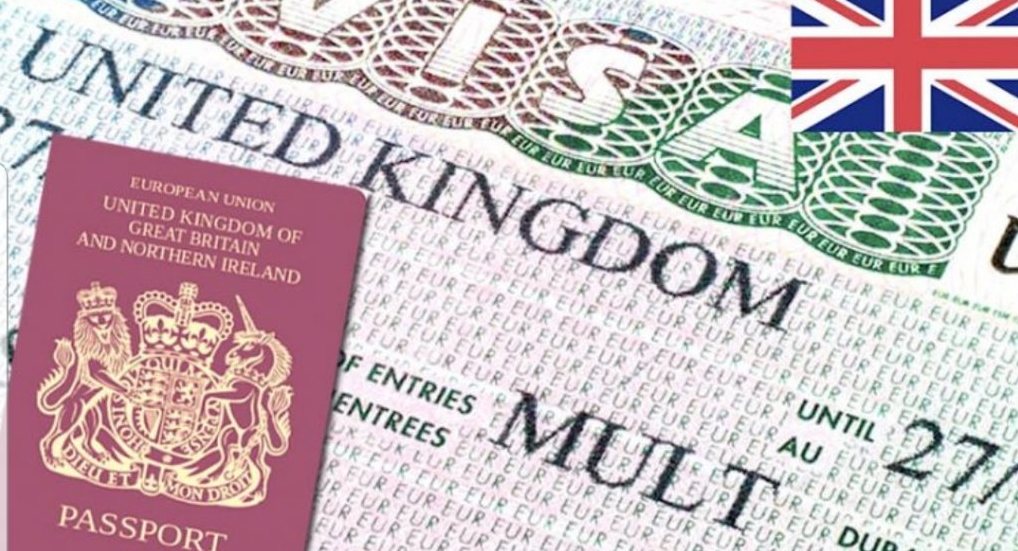
Your journey to studying in the UK starts long before you board your flight. It begins with a successful visa application. To help you navigate the process, take a look at this step-by-step guide on how to secure your student visa (Tier 4) from across the African continent. For the latest updates, always check the Gov.UK website.
What is the UK student visa?
The UK student visa allows international students to live and study in the UK for the duration of their academic program. It is issued by UK Visas and Immigration (UKVI). If your course lasts longer than six months, this document is essential.
When applying from countries like Ghana, Nigeria, or Kenya, you must prove you are a genuine student. This means having your paperwork organized and your finances ready well in advance.
The UK student visa requirements
To qualify for a visa, you must meet specific criteria set by the British Government. As an applicant, you must:
-
Secure a CAS: Receive an unconditional offer and a Confirmation of Acceptance for Studies (CAS) from a licensed UK university.
-
Demonstrate Financial Ability: Ensure you have sufficient funds to cover your tuition fees and monthly living expenses.
-
Prove English Proficiency: Show you can speak, read, write, and understand English, usually via a UKVI-approved IELTS test.
Costs and processing times
Budgeting is a critical part of your planning. Do not leave these payments until the last minute.
-
Visa application fee: £524 (for applications made outside the UK).
-
Immigration Health Surcharge (IHS): Approximately £1,164 per year. This payment is mandatory and gives you access to the National Health Service (NHS).
-
Processing time: Usually 3 weeks. However, during peak seasons (July–September), delays are common. Priority services are available if you need a faster decision.
How to apply for your visa
You must submit your application online through the official Gov.UK website. Once you have submitted the form and paid your fees, you will need to visit a VFS Global or TLScontact centre in your country to provide your biometric information.
Documents you will generally need:
-
A valid current passport.
-
Your CAS reference number.
-
Proof of maintenance funds (bank statements showing the money has been held for at least 28 days).
-
Tuberculosis (TB) screening: Applicants from most African nations must provide a valid TB certificate from a UKVI-approved clinic.
-
ATAS Clearance: Only required for specific postgraduate subjects in science or engineering.
Tips for a successful application
A minor error can lead to a refusal. Follow these tips to strengthen your application:
-
Apply early: You can apply up to six months before your course starts.
-
Check for CAS accuracy: Ensure your name, date of birth, and course dates on your CAS match your passport exactly.
-
Prepare for the interview: A UKVI officer may interview you to verify your intentions. Be ready to explain why you chose your specific university and how the course fits your career aspirations.
-
Translate your documents: If your bank statements or certificates are not in English, they must be professionally translated and verified.
Biometric Residence Permit (BRP)
As part of your application, you must schedule an appointment to have your fingerprints scanned and a digital photo taken. This information is used to create your UKVI account or issue a BRP card, which you will collect once you arrive in the UK.
Don’t let the paperwork overwhelm you. By following these steps and staying organized, you can move toward your goal of a UK education with confidence.